
Owning a vacation cabin that sits empty for long stretches is a different responsibility than caring for a full-time home. Problems rarely announce themselves.
A pinhole leak can run quietly for weeks. A mouse can build a nest in insulation without leaving obvious clues. A sump pump can fail after a storm, and nobody knows until the flooring buckles. A frozen pipe can crack in January and only burst in March when temperatures rise again.
A seasonal care plan keeps a cabin dry, secure, and mechanically stable during long absences. It also protects insurance coverage.
Many homeowners’ policies include vacancy language that limits or excludes coverage after a period of non-occupancy, often around 30 to 60 consecutive days, depending on the policy. Treat that reality as a maintenance requirement, not paperwork.
Today, we are going to take a look at a season-by-season system you can repeat every year, grounded in real risks and realistic habits.
The Core Risks When a Cabin Sits Empty
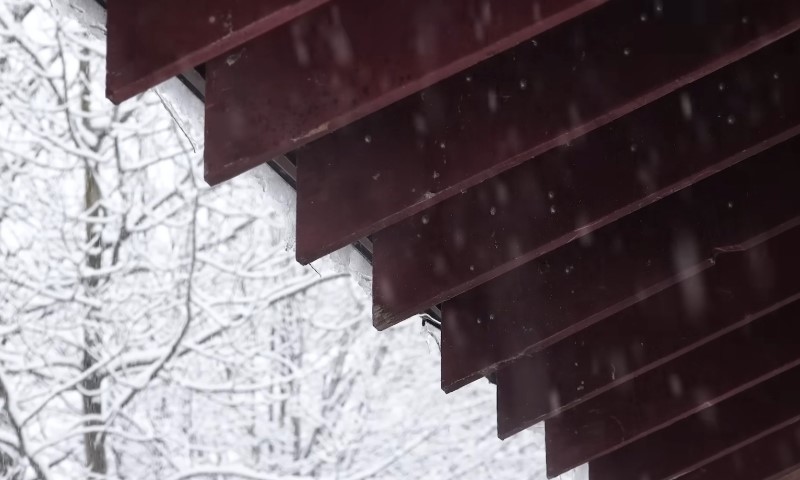
When a cabin sits empty for long stretches, small issues that would normally be noticed early can grow quietly into expensive, complicated problems.
Water Damage Is The Big One
Water damage and freezing drive a large share of homeowners’ insurance losses. Frozen and burst pipes are classic “nobody was there to notice” events. Industry data repeatedly points to water damage from frozen or burst pipes as a significant portion of claims.
Insurance regulators also warn that coverage can depend on whether reasonable steps were taken to prevent freezing and maintain the property. Heat alone is often not enough.
Humidity And Mold Do Not Need Much Time
Mold does not require a flood. Elevated humidity paired with a small leak can create damage quietly.
EPA guidance recommends keeping indoor humidity below 60%, ideally between 30% and 50%.
CDC guidance similarly points to keeping humidity at or below 50% and fixing leaks to remove moisture sources.
A closed cabin with stagnant air can hit problem humidity levels faster than many owners expect.
Security Risk Rises When Vacancy Is Obvious
Residential burglaries make up a large share of burglary offenses in the FBI UCR data. Losses add up quickly.
An unoccupied property with predictable vacancy windows, no lights, and visible neglect is easier to target, regardless of region.
Fire Risk Changes When Systems Run Unattended
Heating equipment fires peak in winter months. NFPA data highlights how common heating-related incidents are across the housing stock.
An empty home cannot respond to early warning signs like odd smells, flickering power, or a minor chimney issue that escalates over time.
A Simple Rule: Build Your Plan Around Four Systems
A seasonal plan works best when it focuses on systems rather than scattered chores.
Water
Supply lines, drains, well systems, septic systems, water heaters
Heat And Air
Heating equipment, ventilation, humidity control
Building Envelope
Roof, gutters, siding, foundation drainage, windows, doors
Access And Monitoring
Security, sensors, lighting, neighbor or caretaker checks
If each system has a seasonal checklist, most expensive surprises either get prevented or caught early.
The Year-Round Baseline For An Empty Cabin
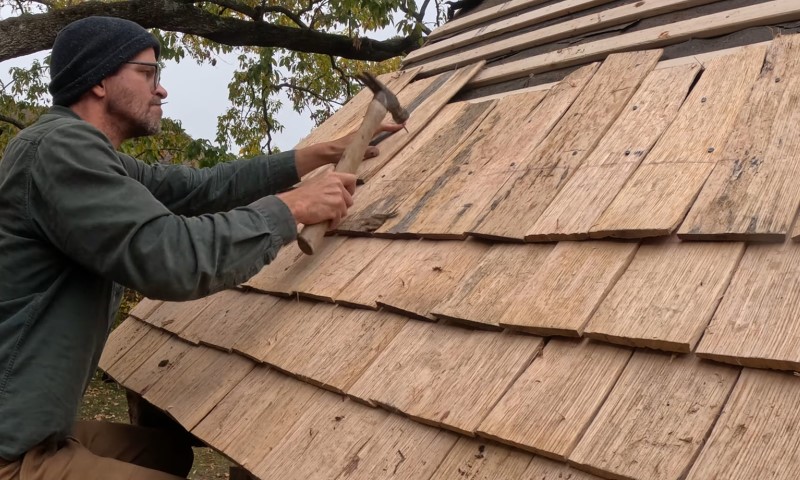
Before seasonal checklists come into play, an empty cabin needs a steady, year-round foundation that keeps key systems watched, protected, and predictable even when nobody is around.
Put Monitoring On Autopilot
A cabin that sits empty needs basic remote awareness. A minimal setup usually includes:
- Leak sensors at the water heater, under sinks, behind toilets, near washer hookups
- A temperature sensor in the coldest zone, often near plumbing in an exterior wall chase
- A humidity sensor in the main living area and one basement or crawlspace location
- Smart smoke and CO alarms where code and manufacturer guidance allow interconnection
Testing still matters. CPSC recommends testing alarms monthly and replacing batteries annually, even in rarely used buildings.
Make Responsibility Explicit
Frozen-pipe guidance for low-use buildings repeatedly points to the same failure: no assigned oversight, no inspection cadence, and assumptions that heat alone will prevent problems.
For a cabin, assign a person and a schedule. That may be a trusted neighbor, a local caretaker, or a paid service.
Know Insurance Vacancy Rules Before A Claim Forces The Issue
Many policies include vacancy clauses that limit coverage after extended non-occupancy, commonly cited as 30 to 60 days. Risks include undetected water leaks, theft, and fire.
Insurers often distinguish between “vacant” and “unoccupied,” and the definitions vary. Align maintenance, monitoring, and check-ins to policy language rather than assumptions.
Seasonal Checklist Overview
Spring: Reopening After Months Away
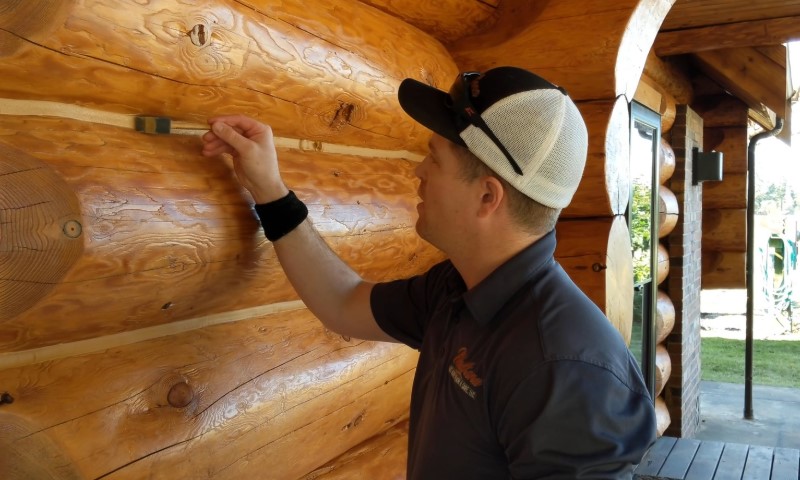
Spring is when many owners discover winter damage caused by ice dams, wind-driven rain, rodents, and freeze-thaw cycles.
Start Outside Before Touching Mechanical Systems
Walk the perimeter first.
- Check roof edges, flashing, chimney cap, and any missing shingles
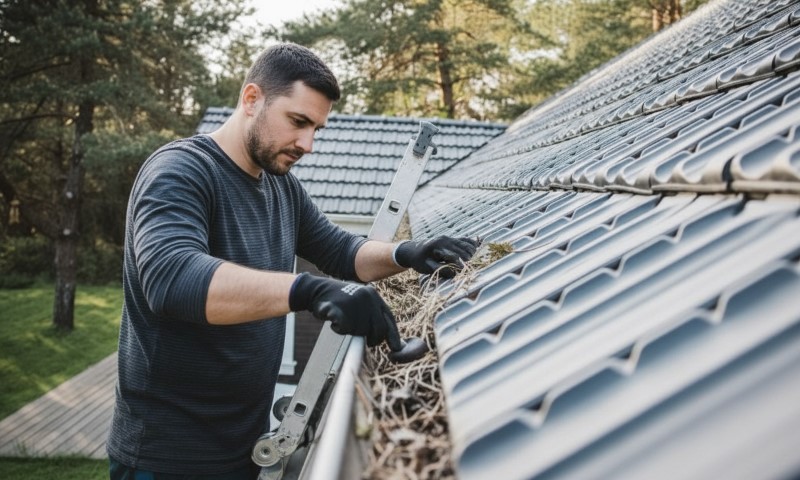
- Clear gutters and downspouts, verify water flows away from the foundation, or schedule a professional gutter cleaning service
- Look for siding gaps and damaged vent screens
- Confirm grading still slopes away from the structure
Water management around the building is a mold prevention strategy, not a landscaping preference. EPA mold guidance stresses fixing moisture sources quickly.
Bring Water Back Slowly And Intentionally
If water was shut off and lines drained, reopen with a controlled routine.
- Inspect visible supply lines and shutoff valves
- Turn water on slowly and check each fixture
- Listen for toilets that keep running
- Inspect the water heater area for corrosion or past leaks before energizing
Even if heat stayed on all winter, perform a careful leak check. Micro-cracks can open when pressure returns.
Insurance guidance emphasizes reasonable steps to prevent freezing and maintain pipes as a coverage factor.
Reset Indoor Humidity Targets
A “closed up” smell often points to humidity and stagnant air.
- Air out the building on a dry day
- Run ventilation or HVAC fan to circulate air
- Target 30% to 50% indoor relative humidity
- Use a dehumidifier with a drain line if humidity remains high
CDC guidance points to keeping humidity no higher than 50% and ensuring air flows freely.
Look For Pests Like A Forensic Exercise
Rodents often move into unoccupied buildings.
Check:
- Droppings under sinks, behind appliances, in drawers
- Nesting material near insulation or stored linens
- Chew marks on wiring, foam, or pantry items
Summer: Moisture Control, Storm Readiness, Wildfire Risk
Summer damage often develops slowly through humidity, insects, vegetation contact, and storm-driven water.
Humidity Control Is Non-Negotiable
A closed cabin can trap moisture after storms or humid weeks.
- Keep indoor humidity below 60%, ideally 30% to 50%
- Clean dehumidifier filters and verify continuous drainage
- Check crawlspace vapor barriers if present
- Inspect for condensation on windows or pipes
Condensation is an early warning sign, not a cosmetic issue.
Storm Prep Focuses On Power And Water Movement
Summer storms bring outages and water intrusion.
- Test sump pumps
- Confirm gutters remain clear
- Verify downspouts discharge away from the foundation
- Be realistic about surge protection limitations
Lightning-related surges can overwhelm typical plug-in protectors. Whole-home surge protection can reduce routine risk, though nothing makes electronics immune.
Wildfire Preparation Belongs On The Maintenance List
In wildfire-prone regions, vegetation management and ember hardening matter as much as plumbing.
Tasks include:
- Removing needles and leaves from roofs, gutters, and decks
- Trimming branches overhanging rooflines
- Keeping the immediate perimeter low-fuel
- Screening vents and repairing damaged mesh
NFPA guidance highlights vent screening and debris removal as practical defenses.
Fall: Close The Cabin For Freeze Season
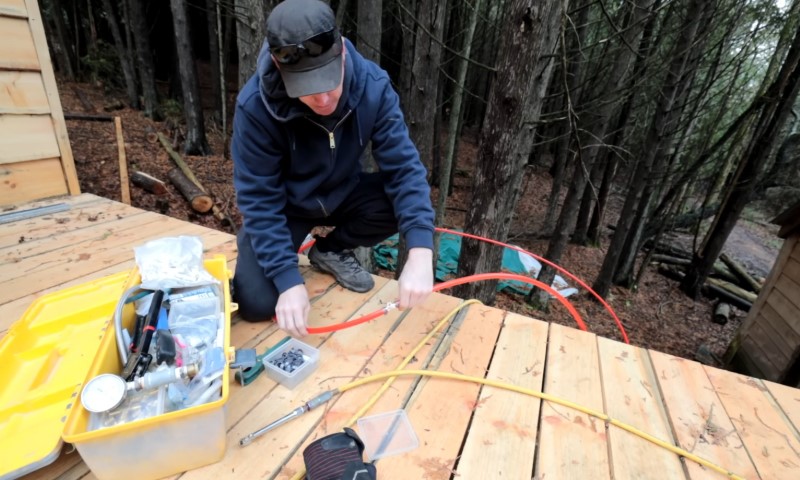
Fall shutdown is where owners either prevent winter disasters or schedule them.
Choose A Freeze Strategy Early
There are two core approaches.
- Full winterization and drain-down – Water supply off, lines drained, traps protected, minimal heat if needed.
- Heat on with water active – Maintain safe interior temperatures with aggressive monitoring.
If power stability is uncertain, a full drain-down reduces catastrophic risk because a power outage cannot freeze an empty pipe.
If Draining, Do It Completely
Partial draining causes many winter failures.
- Shut off the main water supply
- Open all faucets and flush toilets
- Drain the water heater per manufacturer guidance
- Blow out lines where appropriate
- Add plumbing antifreeze to traps and toilet bowls
If Heating, Protect Vulnerable Zones
Wall cavities and plumbing chases run colder than room air.
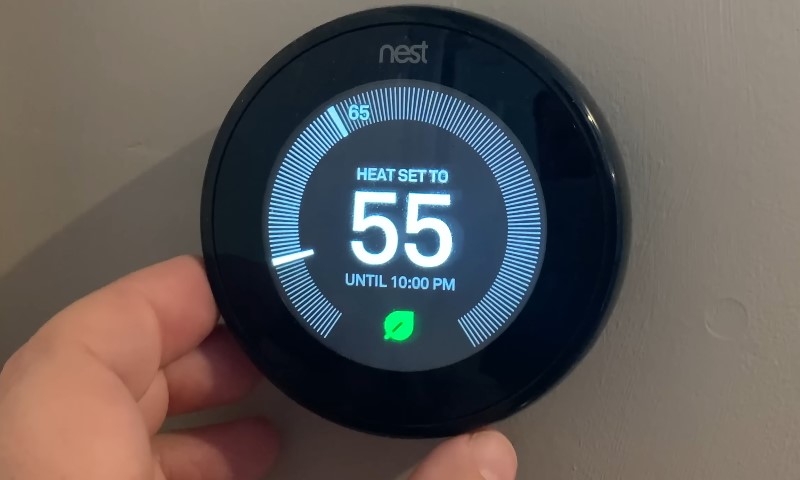
- Set a conservative temperature, often mid-50s Fahrenheit
- Insulate known vulnerable lines
- Place temperature sensors near the coldest plumbing runs
Energy savings matter less than freeze protection during vacancy.
Rodent Exclusion Works Best Before Winter
Rodents can enter through openings larger than 1/4 inch and chew through soft fillers.
Fall tasks:
- Seal exterior penetrations with durable materials
- Verify door sweeps and window seals
- Store textiles and paper goods in sealed bins
- Remove all food sources
Prevention beats cleanup in spring.
Heating And Fire Safety Checks
If heating systems will run while the cabin is empty, service them before leaving.
Heating equipment remains a recurring cause of home fires, and winter is peak season. Chimneys and flues need inspection and cleaning on a schedule that matches use.
Winter: Monitoring And Minimal-Risk Operation
Winter is where “nobody noticed” becomes the root cause.
Water Strategy For Winter
If lines were drained, keep the water supply off. If water remains on, leak detection and check-ins become critical.
Coverage decisions often point back to maintenance and reasonable care.
Sensors Need An Action Plan
Alerts without response only document damage.
A minimum winter plan:
- Temperature drops trigger same-day caretaker visits
- Leak alerts include shutoff instructions and access details
- Power outages prompt checks on heating systems
Posting a laminated shutoff map inside helps caretakers act quickly.
Burglary Deterrence Is About Normalcy
Deterrence often looks like ordinary upkeep.
- Timed exterior lighting
- Driveway cleared after storms
- Mail held, no accumulation
- Cameras and signage where appropriate
- Visible caretaker presence
Maintained properties attract less attention.
Specialty Scenarios
@thecabinguy5 Let’s talk about septic systems. #septic #airbnb #cabin #realestate #blueridge
Some cabins come with extra systems or environmental risks, and those situations call for a few targeted precautions layered on top of the standard seasonal care routine.
Cabins On Wells
- Protect the wellhead from freezing
- Know how to drain pressure tanks and pump lines
- Monitor pump houses with temperature sensors
Cabins With Septic Systems
Septic systems can freeze when snow cover is removed or lines are shallow.
- Know tank and line locations
- Avoid removing insulating snow cover unnecessarily
- Protect components before winter conditions hit
Cabins In Radon-Prone Regions
EPA guidance notes testing is the only way to know radon levels. A closed cabin can accumulate radon differently than an occupied home. Testing and mitigation should follow local standards.
A Realistic Seasonal Cadence That Works
- Spring opening day (2 to 4 hours) – Exterior scan, gutters, water on slowly, HVAC and humidity check, pest inspection
- Mid-summer check (1 to 2 hours) – Humidity readings, storm scan, vegetation management
- Fall closing day (3 to 6 hours) – Winterization, heating strategy, rodent exclusion, safety checks
- Winter check-ins – After major storms, deep cold snaps, or power outages, aligned with insurance requirements
Closing Thought
A cabin left empty most of the year does not fail from neglect all at once. It fails quietly, one system at a time. A seasonal care plan turns absence into something manageable.
With the right rhythm, monitoring, and follow-through, the cabin stays dry, stable, and ready for the next visit, rather than greeting you with a repair list the moment the door opens.

I’m Noel Massey, your not-so-typical trailblazer who’s been into hiking for years while herding two mini adventurers, a.k.a. my sons. We’ve tackled trails that would make your GPS do a double-take. Join me as I share tales from the great outdoors, and share some handy tips you could use in the future.