
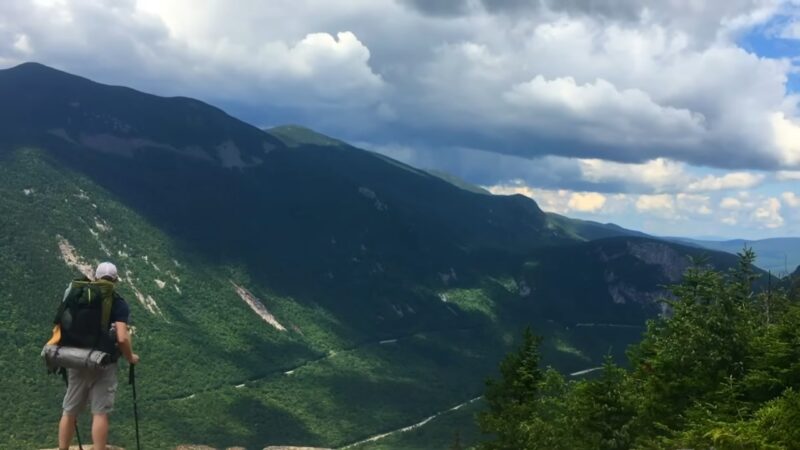
The Appalachian Mountains rank among the oldest mountain ranges on Earth, shaped over hundreds of millions of years.
Rolling ridges, dense forests, and long stretches of wilderness define the region across the eastern United States.
The Appalachian Trail stretches roughly 2,190 miles, beginning at Springer Mountain in Georgia and ending at Mount Katahdin in Maine.
Hikers range across several groups. Beginners often test multi-day backpacking skills on shorter sections. Section hikers complete portions over months or years.
The connection between wilderness, local culture, and trail communities creates an experience that is way more than hiking itself.
The Appalachian Trail System
Appalachian Trail passes through fourteen states:
Management falls to the Appalachian Trail Conservancy with strong support from thousands of volunteers.
Trail maintenance, shelter upkeep, and conservation efforts rely heavily on that network.
More than 250 shelters appear along the route, usually spaced about one day apart.
Established campsites and reliable water sources help hikers plan daily mileage.
Hiking styles vary widely. Thru-hiking involves completing the entire trail in a single season, with northbound hikes starting in spring as the most common direction.
Section hiking allows completion over time in smaller segments. Day hiking remains popular in accessible areas such as Shenandoah National Park.
Trail culture plays a major role in the experience. Many hikers adopt trail names that replace their real names during the hike.
Strong community bonds form quickly, supported by shared challenges and mutual support.
Best Appalachian Hiking Trails by Region
Regional sections along the Appalachian Trail differ in terrain, climate, and difficulty.
Careful selection of a section can shape the overall hiking experience, especially for campers and backpackers planning multi-day trips.
For those exploring the Pennsylvania region, especially near the Poconos, staying in various rental options near Pocono Lake can provide a comfortable and convenient base before or after hitting the trail.
Great Smoky Mountains
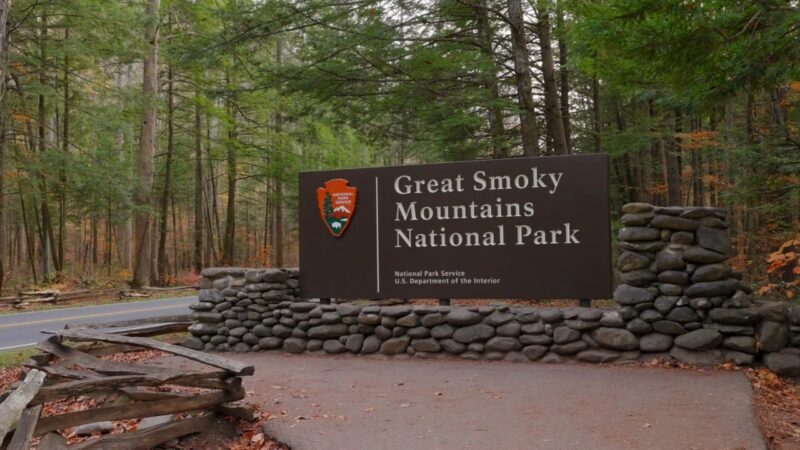
Great Smoky Mountains lie along the Tennessee and North Carolina border and contain one of the most biologically varied ecosystems in North America.
Thick forests, constant moisture, and elevation changes create an environment that feels remote even with structured trail systems in place.
Backcountry travel requires planning due to strict regulations. Permits remain mandatory for overnight stays, and reservation systems differ based on hiking style.
Terrain combines long climbs, shaded forests, and mist-covered ridgelines.
Wildlife management remains critical due to high black bear populations. Food storage must follow park guidelines, including the use of bear cables located near shelters and campsites.
A combination of structured facilities and deep forest conditions creates a section that feels remote while still offering support for navigation and camping.
Shenandoah National Park
View this post on Instagram
Shenandoah National Park covers roughly 100 miles of the Appalachian Trail in Virginia and offers one of the most accessible backpacking experiences along the route.
Gradual elevation changes and consistent trail conditions make it a strong starting point for new hikers.
Access and convenience play a major role in this section. Skyline Drive runs alongside much of the trail, providing frequent entry and exit points that simplify logistics.
Shelters, campsites, and water sources remain evenly spaced, allowing flexible daily mileage.
Predictable infrastructure reduces the need for complex planning.
Black bears inhabit the park but tend to avoid human contact more than in other regions. Standard food storage practices still apply.
Short multi-day trips in Shenandoah allow hikers to build confidence, test gear, and develop routines without exposure to extreme terrain.
White Mountains

White Mountains in New Hampshire present some of the most demanding conditions along the Appalachian Trail.
Steep climbs and rugged terrain require strong physical conditioning and careful pacing.
The Presidential Range includes Mount Washington, known for severe and rapidly changing weather patterns.
Conditions at higher elevations can shift quickly, even during summer months.
Key characteristics define the difficulty of this section:
The hut system operated by the Appalachian Mountain Club offers an alternative to traditional camping. Meals and shelter are available for a fee, reducing the need to carry additional supplies in certain sections.
Weather hazards remain a constant concern. Sudden temperature drops, high winds, and limited visibility can create dangerous situations.
Preparation and sound decision-making become essential for safety.
Blue Ridge Mountains
@rachelblaireroams how lucky are we to experience days like this? #nature #blueridgemountains #hiking #appalachia #wnc ♬ Old Man – Neil Young
The Blue Ridge Mountains stretch across Virginia and North Carolina and offer a balance between accessibility and rewarding scenery. Rolling terrain allows steady progress without constant steep climbs.
Grayson Highlands draws attention due to its open meadows and free-roaming wild ponies. Wide views and grassy balds contrast with forested sections found elsewhere along the trail.
Conditions in this region support longer trips without extreme difficulty. Several factors contribute to that balance:
Intermediate hikers often choose this area to extend the trip length while maintaining manageable conditions.
Consistent views and varied terrain create an experience that feels engaging without overwhelming less experienced backpackers.
Maine Wilderness
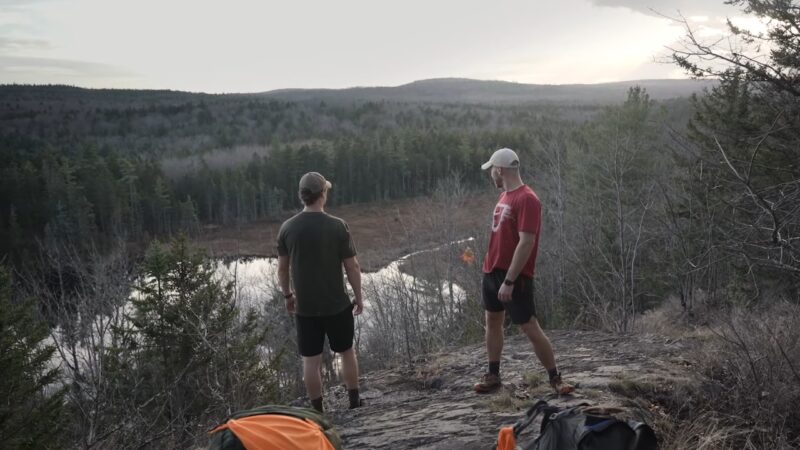
Northern Maine contains the most remote portion of the Appalachian Trail and requires a higher level of preparation.
Isolation increases significantly compared to the southern sections.
100-Mile Wilderness represents the longest stretch without towns or resupply options. All food and gear must be carried or arranged through pre-planned drops.
Several factors define the challenge of this region:
Mount Katahdin marks the northern terminus and serves as the final destination for northbound hikers. Entry into Baxter State Park involves strict rules related to camping and daily access limits.
Minimal development and extended isolation create a demanding environment that requires strong planning, navigation skills, and self-reliance.
Planning Your Appalachian Hiking Trip
Beginners often start in Shenandoah National Park or in the easier parts of the Blue Ridge.
Intermediate hikers may choose the Great Smoky Mountains or extended sections in Virginia.
Advanced hikers typically aim for the White Mountains or the Maine wilderness due to increased difficulty.
Factors to consider include elevation gain, remoteness, and access to resupply locations.
Best Time to Hike
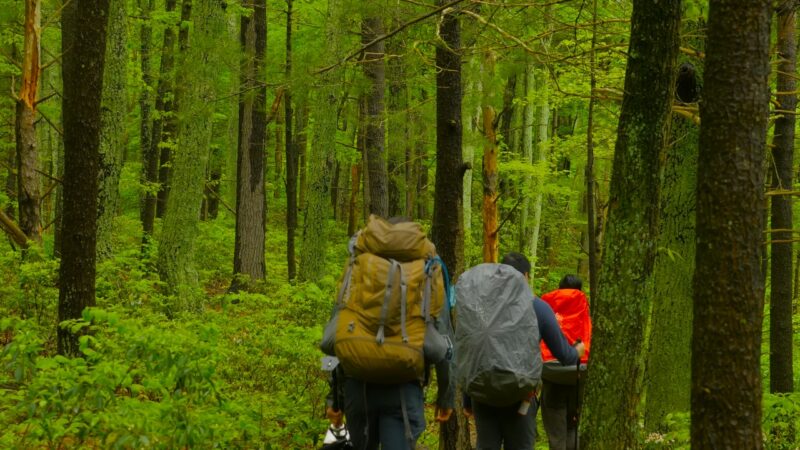
Spring runs from March through May and marks the peak starting period for northbound thru-hikers in Georgia. Wildflowers bloom, and temperatures remain moderate.
The summer months from June through August suit northern regions such as New England. Heat, humidity, and insects increase in the mid-Atlantic areas.
Fall, between September and October, attracts hikers due to cooler weather and vibrant foliage. Southbound hikers often pass through during this time.
Winter conditions limit access in many areas and require advanced skills and specialized gear.
Permits and Regulations
Permits remain required in certain areas, including the Great Smoky Mountains National Park and Baxter State Park. Shenandoah National Park requires entry fees.
Some sections require overnight stays in designated shelters rather than dispersed camping.
Leave No Trace principles guide behavior across the trail. Proper food storage remains critical in bear-active regions.
Essential Gear for Campers and Backpackers
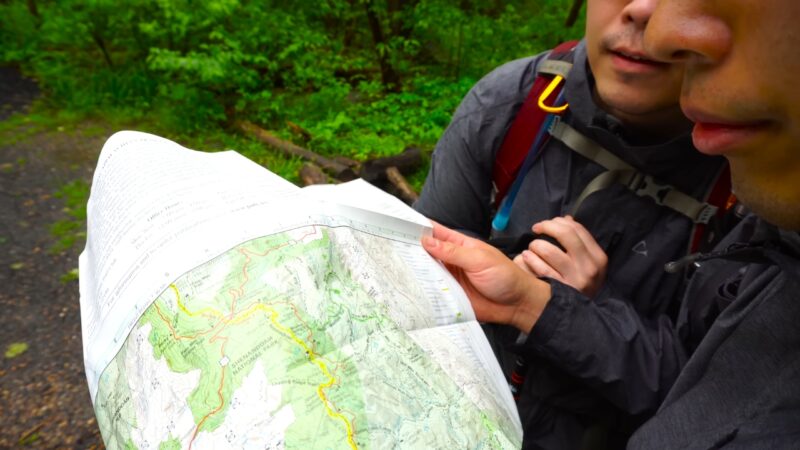
Gear selection directly affects comfort, safety, and endurance during multi-day hikes.
Many experienced hikers focus on reducing pack weight while maintaining necessary functionality.
Core equipment categories include several key items:
Navigation tools remain critical for route planning and real-time adjustments. Guidebooks, maps, and GPS-based apps such as FarOut provide reliable support.
Water sources appear frequently but require filtration before use. Carrying a filtration system remains essential for safe hydration.
Food storage must prevent wildlife access through bear-resistant containers or proper hanging techniques.
Footwear choices often shift toward trail runners due to lower weight and increased comfort over long distances.
Reducing total pack weight lowers fatigue and supports consistent daily mileage over extended periods.
Trail Life
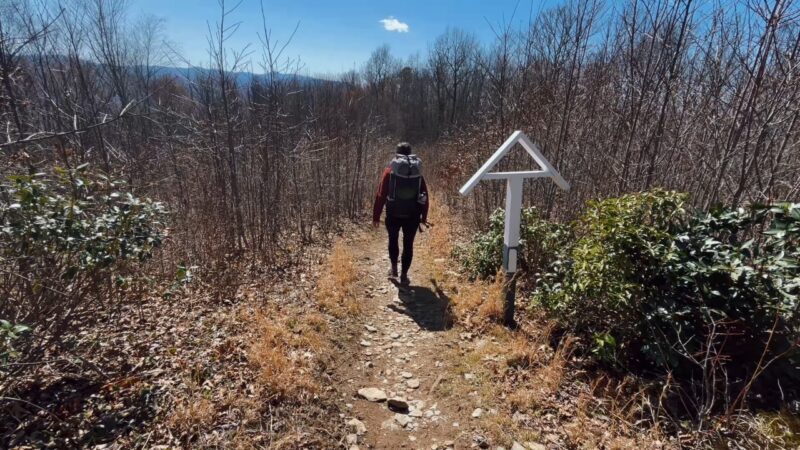
Daily life on the Appalachian Trail follows a consistent rhythm shaped by physical effort and environmental conditions.
Mileage varies depending on experience level. Beginners often cover eight to twelve miles per day, while experienced hikers may reach fifteen to twenty or more.
Community plays a strong role in shaping the experience. Trail names, shared meals, and support networks develop quickly among hikers.
Trail magic refers to unexpected acts of kindness, such as free food, drinks, or rides provided by volunteers and locals.
Physical strain includes blisters, muscle soreness, and ongoing adjustment to conditions. Mental endurance becomes equally important, requiring persistence and adaptability throughout the hike.
Sample Itineraries
Trip length and difficulty vary widely across the Appalachian Trail.
Selecting an itinerary that matches skill level helps ensure a safe and enjoyable experience.
Beginner 3 to 5 Days
Shenandoah National Park offers an ideal starting point for shorter trips. Moderate terrain and frequent access points simplify planning.
Key benefits support beginners during this timeframe:
Manageable conditions allow hikers to focus on building skills and confidence.
Intermediate 5 to 10 Days

The Great Smoky Mountains provide a step up in difficulty while still offering structured support systems.
Planning requirements increase in this range:
A combination of challenge and infrastructure helps hikers transition toward longer trips.
Advanced 10 or More Days
White Mountains or the 100-Mile Wilderness demand strong endurance and detailed preparation. Extended time in remote conditions increases complexity.
Critical requirements for advanced trips include:
Remote conditions require full self-reliance and the ability to adapt to changing situations over long distances.
Summary
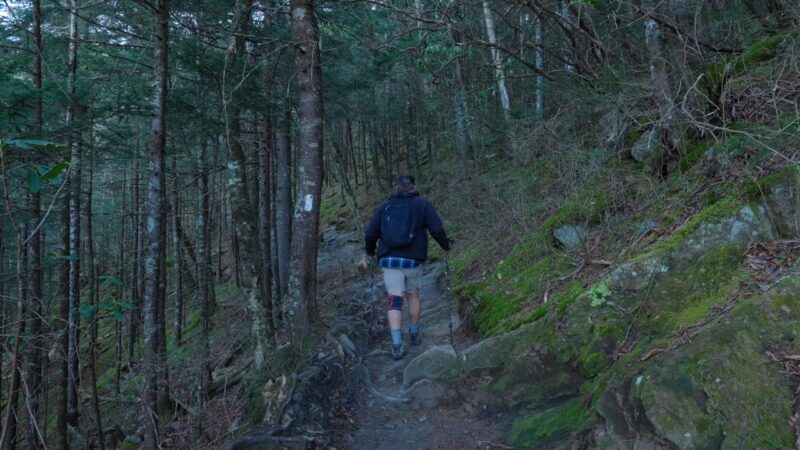
The Appalachian Mountains provide a wide range of hiking experiences across ecosystems and difficulty levels.
Many of the most accessible and rewarding sections pass through state parks in the U.S. that every traveler should visit for their maintained trails and scenic diversity.
The Appalachian Trail represents more than a long-distance hike, shaped by preparation, resilience, and community connections.
Starting with shorter sections allows gradual skill development before committing to longer treks.

I’m Noel Massey, your not-so-typical trailblazer who’s been into hiking for years while herding two mini adventurers, a.k.a. my sons. We’ve tackled trails that would make your GPS do a double-take. Join me as I share tales from the great outdoors, and share some handy tips you could use in the future.