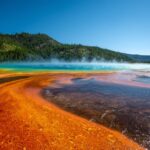

Yellowstone National Park sits in a remote corner of the Rocky Mountains, making airport selection a crucial part of trip planning.
Travelers who choose the right arrival point save valuable time and gain quicker access to the geothermal basins, wildlife areas, and scenic drives.
Several options provide seasonal, scenic, or budget-friendly paths into the park.
Below is a breakdown of the top five airports located closest to Yellowstone, chosen for proximity, convenience, and accessibility throughout the year.
| Airport | Entrance | Distance | Open Year-Round | Airlines |
| WYS (Yellowstone) | West | 2 mi | No (Summer Only) | Delta, United |
| JAC (Jackson Hole) | South | 50 mi | Yes | Delta, United, American |
| BZN (Bozeman) | North/West | 91–94 mi | Yes | Major U.S. Carriers |
| COD (Cody) | East | 54 mi | Yes | United |
| IDA (Idaho Falls) | West | 110 mi | Yes | Delta, United, Allegiant |
1. Yellowstone Airport (WYS) – Closest to the West Entrance
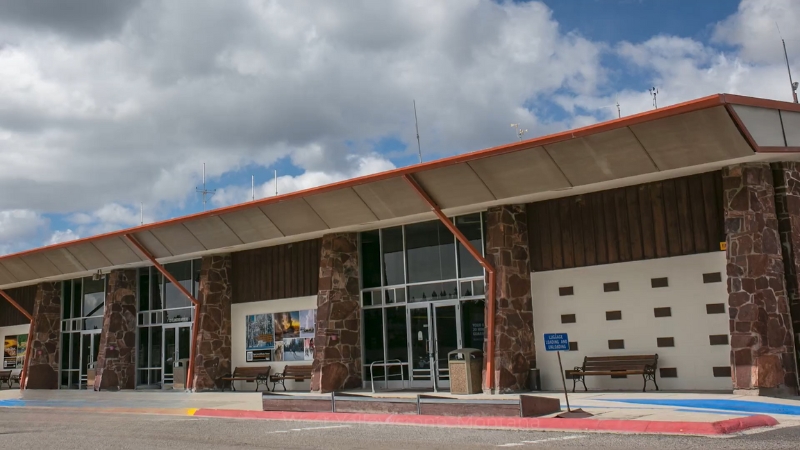
Yellowstone Airport sits in West Yellowstone, Montana, giving visitors the closest possible access to Yellowstone National Park. Located only two miles from the West Entrance, it creates an easy five-to-ten-minute drive straight to the gate.
Summer travelers gain the greatest advantage since the airport operates mid-May through mid-October. Off-season visitors must use larger airports, but summer guests enjoy unmatched convenience.
Flights into WYS are provided mainly by Delta and United, typically through Salt Lake City or Denver.
Fewer routes limit flexibility, yet travelers who value speed over choice often find WYS perfect for quick entry.
A quieter airport environment helps reduce stress before heading into the park’s scenic roads and geyser basins.
Key details include:
- Distance to West Entrance: 2 miles
- Operating season: mid-May to mid-October
- Primary airlines: Delta and United
- Typical connections: Salt Lake City and Denver
Ground transportation plays an important role at WYS. Car rentals, shuttles, and private transfers run efficiently, and the airport has a service similar to the LAX car service, offering smooth door-to-door assistance for travelers who prefer not to navigate logistics on their own.
Pros highlight fast access and minimal driving time. Cons revolve around seasonal availability and a smaller pool of flights.
Ideal visitors include summer guests focused on quick access to geyser areas, wildlife loops, and overnight stays near the park.
2. Jackson Hole Airport (JAC) – Closest to the South Entrance
Jackson Hole Airport brings visitors into the heart of Grand Teton National Park, creating an unforgettable start to a Yellowstone visit.
Located about 50 miles from Yellowstone’s South Entrance, the drive typically lasts around one hour and features constant mountain views and high-elevation valleys filled with elk, bison, and other wildlife.
Many travelers choose this airport for a scenic arrival that sets the tone for a national park adventure.
Year-round service by American, Delta, and United supports travelers visiting during spring blooms, fall colors, or winter snow seasons.
Flight options remain fewer than at major hubs, but overall consistency makes planning predictable.
Beautiful surroundings, combined with direct access to Grand Teton National Park, make JAC a top choice.
Key highlights include:
- Year-round operations
- Service by American, Delta, and United
- About one hour to Yellowstone’s South Entrance
- Located inside Grand Teton National Park
Pros include dramatic scenery and an easy connection for visitors exploring both national parks within the same trip. Cons involve a smaller terminal, slightly higher prices, and fewer seats during peak travel times.
Ideal guests include road trippers, families seeking memorable mountain drives, and those who want a scenic start to their vacation.
3. Bozeman Yellowstone International Airport (BZN) – Access to North and West Entrances
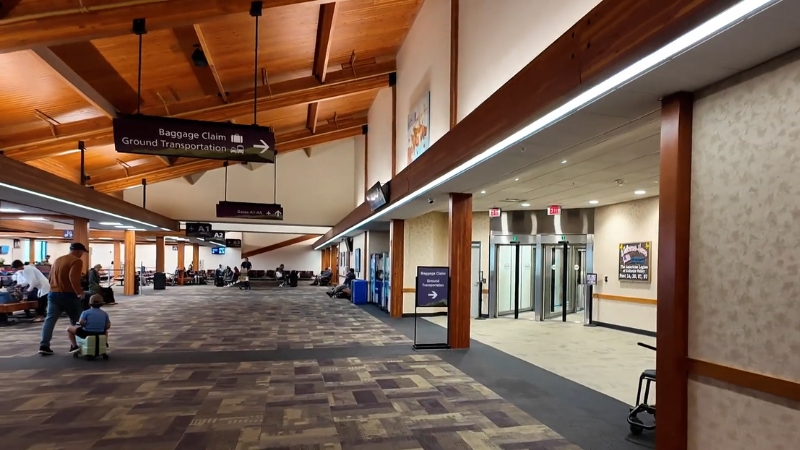
Bozeman Yellowstone International Airport provides dependable year-round access to Yellowstone.
Located in Bozeman, Montana, it sits 91 miles from the North Entrance in Gardiner and 94 miles from the West Entrance along Highway 191.
Flight frequency remains strong with major U.S. carriers offering regular service supported by a large and modern airport facility.
International guests often choose BZN due to stronger global connections, broader flight schedules, and more available lodging options around Bozeman.
Families and group travelers enjoy the selection of restaurants, hotels, car rental agencies, and stores that make arrival convenient.
Key travel notes include:
- Year-round operations
- Access to North and West Entrances
- Large terminal with extensive amenities
- Numerous major airline options
Pros include flight abundance, strong reliability, and support for long itineraries that may include extra days in Montana.
Cons include longer driving times compared to WYS or JAC. Ideal visitors include travelers seeking flexibility, guests planning a multi-park or multi-city vacation, and those who combine Yellowstone with Glacier National Park.
4. Cody Yellowstone Regional Airport (COD) – Closest to the East Entrance
View this post on Instagram
Cody Yellowstone Regional Airport sits 54 miles from Yellowstone’s East Entrance and usually requires about 1.5 hours to reach Fishing Bridge.
Many travelers enjoy the slower pace and cultural flavor of Cody, Wyoming, before entering Yellowstone.
Museums, historic sites, rodeos, and Western-themed attractions give visitors a sense of regional heritage and create an engaging pre-park experience.
United provides year-round service through Denver, making COD a reliable option even during winter or early spring. While the East Entrance feels quieter than other entry points, travelers must expect longer travel times to central attractions within the park.
Key points include:
- 54 miles to East Entrance
- About 1.5 hours to reach Fishing Bridge
- Year-round service through United
- Western-style town activities are available in Cody
Pros include peaceful entry, cultural attractions, and easier access to Yellowstone’s eastern terrain.
Cons include longer driving times to popular areas like Old Faithful or Canyon Village.
Ideal visitors include history fans, families who appreciate museum outings, and travelers who want a quieter approach to Yellowstone.
5. Idaho Falls Regional Airport (IDA) – A Practical West Entrance Alternative
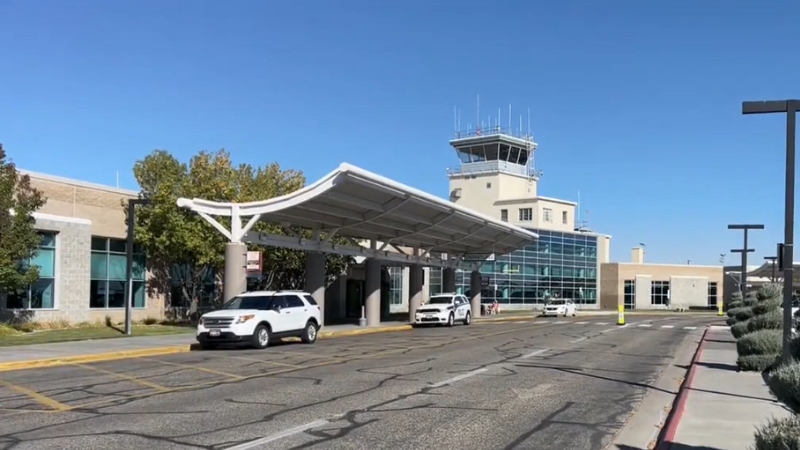
Idaho Falls Regional Airport offers flexibility and lower airfare for visitors headed toward the West Entrance.
Located roughly 110 miles away, the drive typically takes around 2.5 hours through open valleys and forested corridors.
Many travelers choose IDA to reduce ticket costs while still maintaining reasonable proximity to Yellowstone.
Airlines such as Allegiant, Delta, and United operate regular service, giving guests a decent range of options.
Idaho Falls also provides an urban base with hotels, stores, restaurants, and services that support travelers needing supplies before entering the national park region.
Important notes include:
- About 110 miles to the West Entrance
- Approximate drive time of 2.5 hours
- Carriers include Allegiant, Delta, and United
- Affordable airfare and flexible scheduling
Pros include cheaper tickets, easier booking, and the opportunity to visit both Yellowstone and Grand Teton within the same trip.
Cons include a longer drive compared to the other airports on this list. Ideal visitors include budget-focused travelers, multi-state road trippers, and guests seeking urban conveniences before arriving in the park region.
Final Thoughts
Several airports offer convenient paths into Yellowstone, each serving a different type of traveler.
Those seeking the quickest entry usually prefer Yellowstone Airport, while scenic-minded visitors often choose Jackson Hole.
Budget travelers frequently find Idaho Falls a strong match, and those wanting cultural experiences favor Cody.
Travelers who value flight flexibility and larger facilities often select Bozeman.

Hello, my name is Harper Barton. The only thing I love more than travelling is writing about it. Sounds strange doesn’t it? But yeah, I adore writing and sharing my experiences about what I have experienced during my travels. Since I am a person who loves being a part of the community, I often write about local festivals with the goal of popularizing outside just small communities they come from.