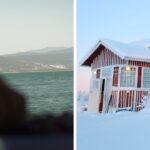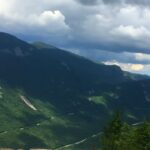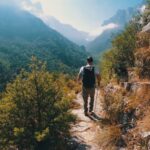
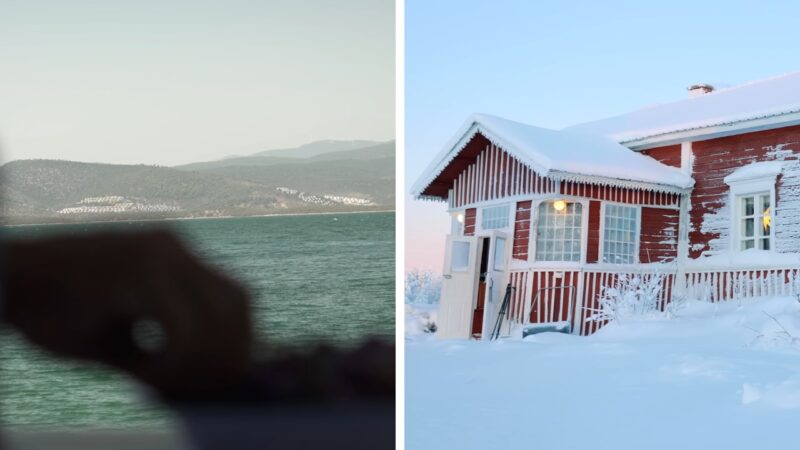
Waking up beside an open sea horizon feels very different than opening the curtains to forests, valleys, and mountain peaks.
Coastal life often encourages outdoor activity and social interaction. Mountain life usually offers more privacy, greater seasonal changes, and a greater need for planning.
Neither option is automatically better. But let’s talk about both of them in greater detail.
What Living Near the Sea Feels Like
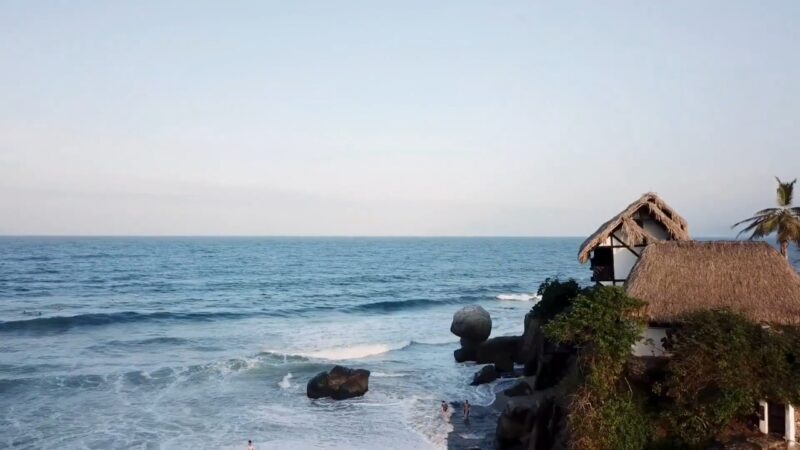
Coastal living brings natural elements into ordinary routines.
Water, sunlight, open views, and public outdoor spaces can influence how residents exercise, relax, socialize, and organize their time.
Benefits are most noticeable when beaches and waterfront areas are easy to reach and actively used.
Openness and Mental Space
An unobstructed horizon can create a sense of emotional space. Moving water and repetitive wave sounds may help reduce stress, support relaxation, and make it easier to focus on the present moment.
Coastal areas are often described as blue spaces because water, rhythmic movement, and open views can encourage a calmer mental state.
Regular walks beside the water may also support mood, emotional balance, and overall satisfaction with daily life.
Sleep may benefit when coastal routines include daylight exposure, physical activity, fresh air, and quiet evenings.
Wave sounds may support relaxation, while serotonin and melatonin play important roles in mood and sleep regulation.
Creative work can also feel easier in a calm coastal setting. Writers, artists, and other professionals may find that open views and fewer visual interruptions support concentration and problem-solving.
Social Energy and Everyday Accessibility

Beaches, promenades, cafés, marinas, and waterfront public areas often create active social settings. Residents can meet friends, attend events, exercise outdoors, or spend time near the water without planning a full-day outing.
Coastal activity can be private or social. A person may take a quiet sunrise walk, join a kayaking group, attend a beach gathering, or participate in a waterfront fitness class.
Shared recreation can reduce isolation and strengthen a sense of belonging. Pleasant weather also allows meals, celebrations, and family activities to move outdoors.
Mild coastal climates extend the outdoor season. Costa del Sol supports walking, cycling, golf, yoga, and other activities for most of the year.
People considering a permanent move can also review houses for sale in Limassol to compare coastal homes based on location, size, price, and access to everyday amenities.
Mountain communities usually provide more separation and fewer casual encounters. Privacy may feel beneficial, but spontaneous social contact is often less frequent.
A Lifestyle That Encourages Movement
Living near a beach or promenade makes many activities easy to repeat without extensive planning. A person can walk, swim, run, or cycle close to home instead of traveling to a gym or sports facility.
Swimming, paddleboarding, kayaking, snorkeling, diving, volleyball, and waterfront yoga also expand the range of available activities. Fresh air, sunlight, and frequent outdoor time are major parts of coastal living. Sea air is often described as containing negative ions, which may support breathing comfort, oxygen absorption, and mood. Some people with asthma, allergies, or respiratory difficulties report feeling better near the coast. Cleaner air may help in places with less traffic and industrial pollution, although local air quality still matters. Sea-level living also avoids altitude sickness. Atmospheric pressure at lower elevations may make oxygen uptake easier for people who are sensitive to reduced oxygen availability. Sunlight helps the body produce vitamin D, which supports bone health and immune function. Costa del Sol reportedly receives more than 320 sunny days each year, allowing outdoor activity during much of the year. Frequent sunshine still requires protection. Sunscreen, shade, protective clothing, and sensible timing reduce the risk of sunburn and long-term skin damage. Coastal life includes maintenance costs that scenic images often leave out. Salt, humidity, wind, and strong sunlight can damage homes, vehicles, furniture, and outdoor equipment. Tourist seasons can make parking harder, increase noise, and place pressure on local services. Some coastal locations also face higher insurance costs because of flooding or storm risk. Benefits depend on behavior. Living near the sea does not automatically lead to better sleep, lower stress, or regular exercise. Residents must actively use the environment. Privacy and silence may improve focus and create a stronger sense of retreat, but daily routines often require more preparation than they do in accessible coastal communities. Mountain living often creates physical distance from traffic, nightlife, tourism, and constant public activity. Silence can make it easier to rest, focus, read, or work without interruption. A mountain home may feel private and protected. Peaks, forests, and valleys surround the resident, while sea views direct attention outward toward a distant horizon. Both settings may reduce stress in different ways. Coastal calm often comes through movement, open views, and water. Mountain calm often comes through silence, separation, and fewer social demands. Solitude can feel peaceful or difficult depending on personality. People who need regular interaction may find remote living isolating. Mountain residents often experience sharper seasonal changes. Snow, autumn color, spring growth, and cooler summers make the passing of time more visible. Daily routines may depend on weather, daylight, road conditions, heating, and seasonal preparation. Winter can support skiing and snowshoeing, but it can also close roads and delay travel. Coastal areas with mild climates offer more stable conditions. Costa del Sol, with more than 320 sunny days each year, supports outdoor activity during most months. Mountain life offers more seasonal variety but less consistency. Each season creates different activities and responsibilities. Mountain terrain supports hiking, climbing, trail running, skiing, mountain biking, cycling, and outdoor work. Uneven ground and elevation can build endurance, strength, and balance. Mountain activities often require more preparation than coastal exercise. Walking along a promenade or swimming near home is easier to repeat daily than a long hike or ski trip. Mountain activity can still provide a stronger sense of achievement because progress is tied to distance, elevation, and technical difficulty. Higher elevations can cause headaches, fatigue, nausea, shortness of breath, and poor sleep during acclimatization. Sea-level locations do not carry the same altitude risk. Remote mountain life often requires careful planning. Shopping trips may take longer, winter weather can interrupt travel, and power or internet outages may be harder to resolve. Such demands can build independence and resourcefulness. Residents often learn to solve problems without immediate access to outside help. A slower pace is partly chosen and partly imposed by geography. Fewer nearby services make errands, visits, and deliveries less convenient. Quiet routines can still feel grounding. Property care, cooking, wood storage, and seasonal preparation create structure and a strong connection to place. Privacy and distance come with practical limitations. Remote locations may offer fewer hospitals, schools, shops, entertainment options, and jobs. Emergencies can become harder to manage when roads are blocked or medical care is far away. Reliable transportation and careful preparation are often essential. Mountain peace may also reduce casual social contact. Residents who live alone or work remotely must make a deliberate effort to maintain relationships. Daily experience matters more than the view alone. Coastal areas may support frequent movement and social activity, while mountain communities may provide privacy and independence. Health benefits in either setting are not automatic. Coastal residents must spend time outdoors and maintain healthy routines. Mountain residents must prepare for weather, distance, and property demands. A suitable place is not only one that looks beautiful. Long-term compatibility depends on which responsibilities, costs, and inconveniences a person can accept. Hello, my name is Harper Barton. The only thing I love more than travelling is writing about it. Sounds strange doesn’t it? But yeah, I adore writing and sharing my experiences about what I have experienced during my travels. Since I am a person who loves being a part of the community, I often write about local festivals with the goal of popularizing outside just small communities they come from.
Sunlight, Air, and Contact With Water
What Coastal Living Demands
What Living in the Mountains Feels Like
Mountain life is shaped by elevation, distance, weather, and limited access to urban services.Silence, Privacy, and Retreat
A Stronger Sense of Seasons
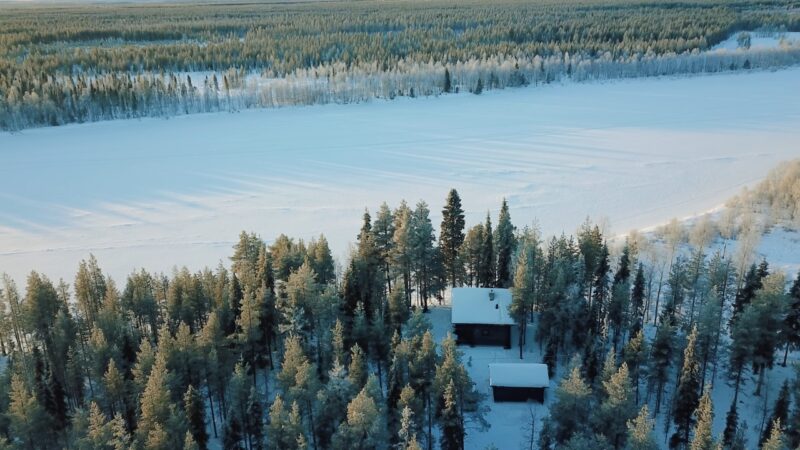
Physical Challenge and Adventure
Self-Reliance and Slower Living
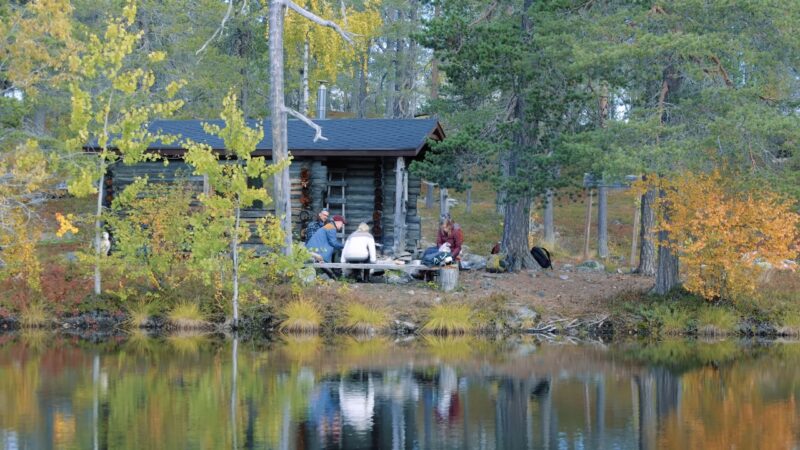
What Mountain Living Demands
Summary