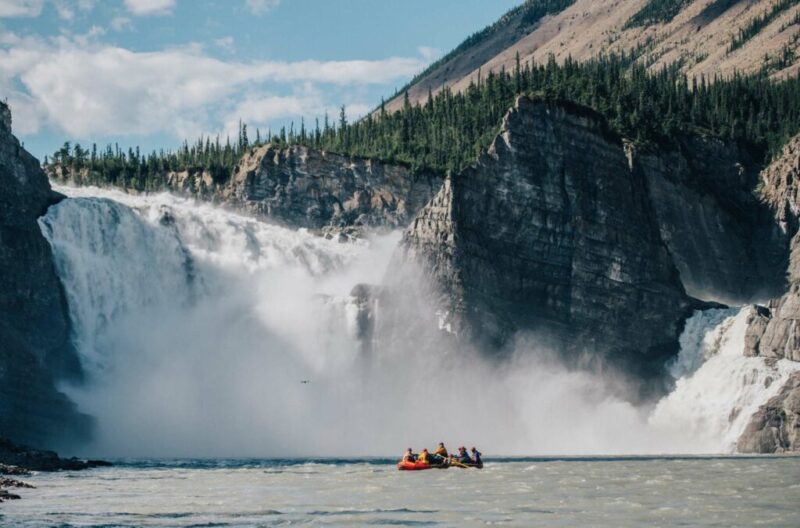
Glacier National Park holds more than 200 waterfalls powered by melting snowfields and ancient ice. Roaring roadside cascades and quiet forest falls showcase raw alpine beauty across the park.
Waterfalls such as Virginia Falls, St. Mary Falls, and Running Eagle Falls serve as iconic symbols of glacially carved scenery. Cooling mist, vivid colors, and accessible hikes make these stops rewarding for short walks and longer treks alike.
Late May through early July brings peak runoff, creating the strongest water flow, though some high-elevation roads may remain closed. Mid-July through August offers fully open trails with steady flow and ideal hiking conditions.
September delivers fewer visitors and calmer trails, though some waterfalls slow considerably.
Bear spray remains essential due to active grizzly populations. Bug repellent and sturdy hiking shoes improve comfort and safety. Trail conditions deserve checking in advance since snow can linger on higher routes into July.
| Waterfall Name | Park Area | Trail Length (RT) | Trail Difficulty | Key Features | Best Time to Visit |
|---|---|---|---|---|---|
| Virginia Falls | St. Mary Valley (East) | 3.6 miles | Moderate | Multi-tiered falls, strong flow, wildflowers | June; early morning / late afternoon |
| St. Mary Falls | St. Mary Valley (East) | 1.7–2.2 miles | Easy | Turquoise water, twin cascades, bridge views | Morning; summer |
| Running Eagle Falls | Two Medicine Valley | 0.6–0.7 miles | Very easy | Dual flow effect, cultural significance | May–June |
| Redrock Falls | Many Glacier | 3.6 miles | Easy | Red rock ledges, wildlife, open valleys | July; early morning |
| Apikuni Falls | Many Glacier | 1.8–2 miles | Difficult (steep) | Vertical drop, alpine scenery, mist | Morning or sunny afternoon |
| Baring Falls | Going-to-the-Sun Road (East) | 0.6–0.8 miles | Very easy | Quiet cascade, shade, lake access | Summer; daytime |
| Bird Woman Falls | Going-to-the-Sun Road | No hiking | N/A | Tall ribbon waterfall, roadside views | Early summer; morning |
| Florence Falls | East side of the park | 9–10 miles | Strenuous | Remote, multi-tiered falls, solitude | Summer; early start |
1. Virginia Falls
Virginia Falls sits in the St. Mary Valley on the park’s east side and ranks among the most powerful cascades accessible by trail.
A 3.6-mile round-trip hike delivers hikers through forested terrain and open sections filled with summer color, with moderate difficulty and about 285 feet of elevation gain spread gradually across the route.
Multiple tiers pour down moss-covered cliffs, creating constant movement and sound that grows louder near the base. Summer brings thick wildflowers lining the trail, while cold spray fills the air close to the main drop, often leaving visitors damp within minutes.
- Water shoes or sturdy sandals allow safe movement on wet rocks
- Lightweight layers help manage cooling mist
- Quick-dry clothing proves helpful near the pool
Early morning and late afternoon deliver softer light and thinner crowds, improving photography conditions. St. Mary Falls appears earlier along the same trail, allowing both waterfalls to fit easily into one outing.
Glacial meltwater feeds Virginia Falls as it drains toward St. Mary Lake. June consistently produces the strongest flow, with water volume easing later in summer.
2. St. Mary Falls
View this post on Instagram
St. Mary Falls rests along the same corridor that continues toward Virginia Falls, offering a shorter option for visitors seeking quick access.
Distance ranges between 1.7 and 2.2 miles round trip, with an easy grade suitable for most fitness levels.
Twin cascades plunge into striking turquoise water, colored by suspended rock flour created through glacial erosion. Movement and color change constantly depending on sunlight and water volume.
A wooden bridge spans the creek at a perfect angle, making photography accessible without scrambling over rocks.
Morning light strengthens the blue-green tones and adds contrast to the surrounding rock walls. Wet stones near the base create hazards, and cliff jumping remains extremely dangerous due to strong currents and cold water.
Combining St. Mary with Virginia waterfalls creates a half-day hike with minimal elevation change and a noticeable shift in scenery as elevation increases.
3. Running Eagle Falls
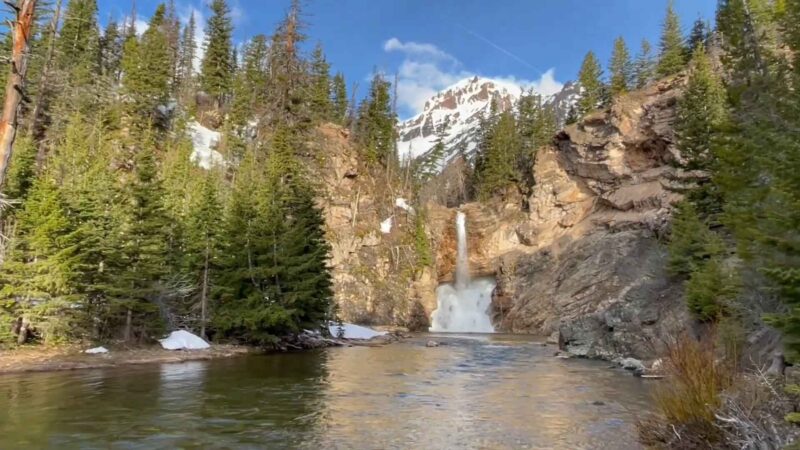
Running Eagle Waterfalls lie in Two Medicine Valley near the east entrance and offer one of the most visually unusual waterfall formations in the park.
A short 0.6 to 0.7-mile round-trip path stays flat and remains wheelchair accessible, making access simple for all ages.
Water pours outward at two separate levels, giving the illusion of flowing directly through the center of a cliff. Spring runoff allows both upper and lower flows to operate at once, creating a rare double cascade effect.
Cultural meaning adds depth to the visit, with connections tied to Running Eagle, a Blackfeet warrior woman. Spiritual importance remains strong for the Blackfeet Nation, and interpretive signs explain historical context along the trail.
- May and June bring full dual flow
- July begins a noticeable reduction
- Late summer usually leaves only the lower cascade active
Gentle terrain suits families, seniors, and first-time visitors. Early morning often delivers mirror-like reflections in the pool and calmer conditions.
4. Redrock Falls
Redrock Falls sits in the Many Glacier area with access near the Swiftcurrent Motor Inn.
A 3.6-mile round-trip hike reaches the falls through open valleys and wetlands with an easy and flat profile.
Water spills over bold red rock ledges, creating contrast against the surrounding peaks and green vegetation. Wildlife activity remains common, especially near ponds and marshy sections where moose frequently feed.
- Mid-July produces peak greenery
- Snowmelt maintains strong water volume
- Cooler mornings bring wildlife movement
Sunrise casts warm light across the red stone, intensifying color and texture. Families and new hikers appreciate the gentle terrain and expansive views that stretch across the valley.
5. Apikuni Falls
@huckshideaway 📍Apikuni Falls 1 miles (one way) 640 ft of elevation I really esnjoy this hike, but it can be an ass kicker if you’re expecting something short and flat. The views overlooking Many Glacier are stunning and the falls were gorgeous! Many people summit and go above the falls, but I am not many people 🙂 #glaciernationalpark #waterfall #waterfallchaser #manyglacier #aesthetic #hikingculture #outdoorexploration #womenwhohike #nationalpark #hikewithme ♬ Heavy Wave – Motorama
Apikuni Falls rises near the Many Glacier Hotel area and delivers a dramatic payoff over a short distance. Trail length reaches about 1.8 to 2 miles round trip, but roughly 700 feet of elevation gain is concentrated into a steep climb.
A vertical 100-foot drop plunges into a rocky amphitheater, with constant spray drifting across the lower viewing area.
Alpine meadows line portions of the trail, filling with wildflowers during peak summer weeks and opening views toward Mount Henkel.
- Early arrival improves parking options
- Sunny afternoons increase rainbow chances
- Wildlife sightings peak during quieter hours
Bighorn sheep often appear along upper slopes. Steep grades raise difficulty, though the short distance makes the hike achievable for many visitors seeking a fast reward.
6. Baring Falls
Baring Falls sits near Sunrift Gorge on the east side of Going-to-the-Sun Road and works well as a brief stop between longer drives.
A 0.6 to 0.8-mile round-trip walk leads through shaded forest to the cascade.
Water tumbles gently into St. Mary Lake, creating a cool and quiet resting spot away from road noise. Tree cover keeps temperatures comfortable even during midday hours.
- Continued walking reaches lake access
- Shoreline views open across St. Mary Lake
- Picnic spots appear near flat clearings
Crowds remain lighter compared to nearby waterfalls, creating better conditions for relaxed photography and short breaks.
7. Bird Woman Falls
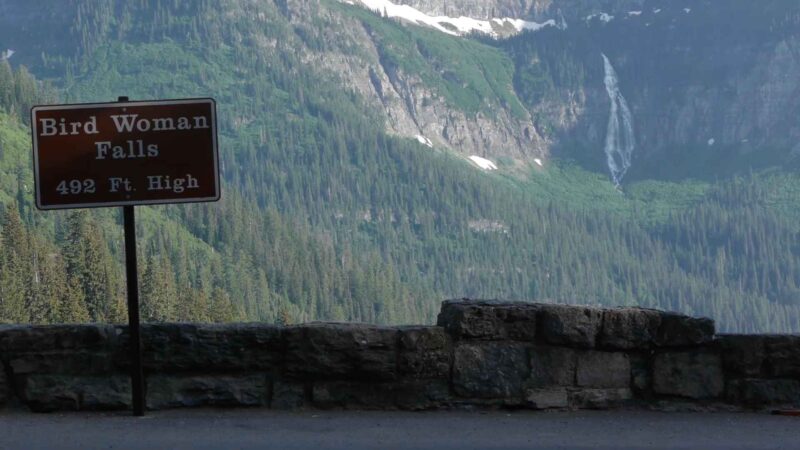
Bird Woman Falls appears between Logan Pass and the West Tunnel along Going-to-the-Sun Road and requires no hiking.
Viewing works best at designated pullouts and overlooks along the road.
Nearly 492 feet tall, water drops in a narrow ribbon into a deep glacial valley framed by Mount Oberlin and Mount Cannon.
Early summer snowmelt delivers the most dramatic flow and visual impact.
- Morning light hits the falls directly
- Telephoto lenses capture texture and detail
- Clear days improve contrast against dark rock
Water volume declines steadily after mid-summer, and late August often brings reduced flow.
8. Florence Falls
View this post on Instagram
Florence Falls hides on the park’s east side near the Jackson Glacier Overlook area and rewards hikers willing to commit to distance.
A 9 to 10-mile round-trip hike reaches the falls through forested sections and open meadows.
Multiple tiers cascade through remote terrain rarely seen by most park visitors. Deadwood Falls appears midway along the trail, adding another scenic stop and breaking up the distance.
- Overgrown sections brush against legs
- Insects remain active during warm months
- Navigation skills help on quieter paths
Experience and planning suit this route best. Low traffic keeps crowds minimal, offering solitude and uninterrupted views for hikers seeking a long, demanding day.
The Bottom Line
Glacier National Park waterfalls reflect the power of ice and snow shaping the park across time. Easy roadside views like Bird Woman Falls contrast sharply with backcountry rewards such as Florence Falls.
Roadside pullouts and demanding trails each offer different ways to experience Montana’s wild beauty. Respect for wildlife and staying on designated paths protect both visitors and nature.
Leave no trace practices help preserve these places for future generations. Glacier’s flowing water sets a natural pace worth following.

Hello, my name is Harper Barton. The only thing I love more than travelling is writing about it. Sounds strange doesn’t it? But yeah, I adore writing and sharing my experiences about what I have experienced during my travels. Since I am a person who loves being a part of the community, I often write about local festivals with the goal of popularizing outside just small communities they come from.