
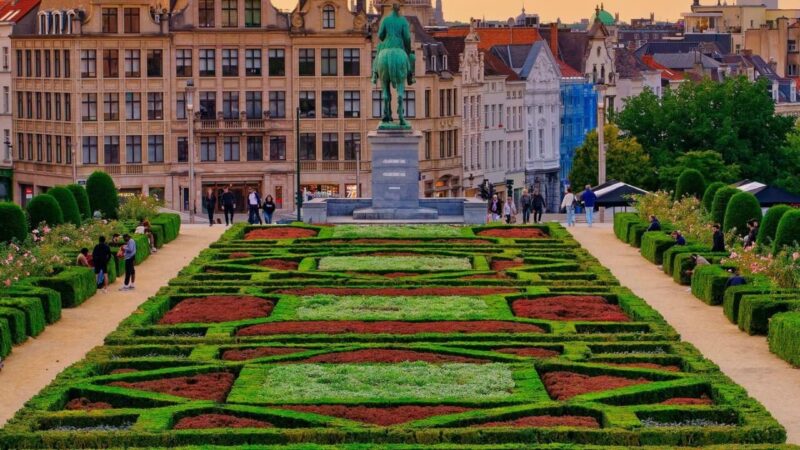
Brussels has a remarkable ability to change character within a few streets. One moment, you’re admiring centuries-old guildhalls. Ten minutes later, you’re browsing independent boutiques, discovering a neighbourhood market or sitting among locals at a busy café.
Choosing the right neighbourhood can make a considerable difference to your experience.
For first-time visitors, the historic centre around Grand-Place is the best place to stay in Brussels. Sainte-Catherine and Dansaert are excellent for restaurants and nightlife, while Sablon offers an elegant atmosphere close to major attractions.
Ixelles and Saint-Gilles appeal to travellers interested in experiencing everyday life in the Belgian capital.
Each neighbourhood has its own personality, and knowing their differences helps you find a base that suits your interests.
1. Historic City Centre: Best for First-Time Visitors
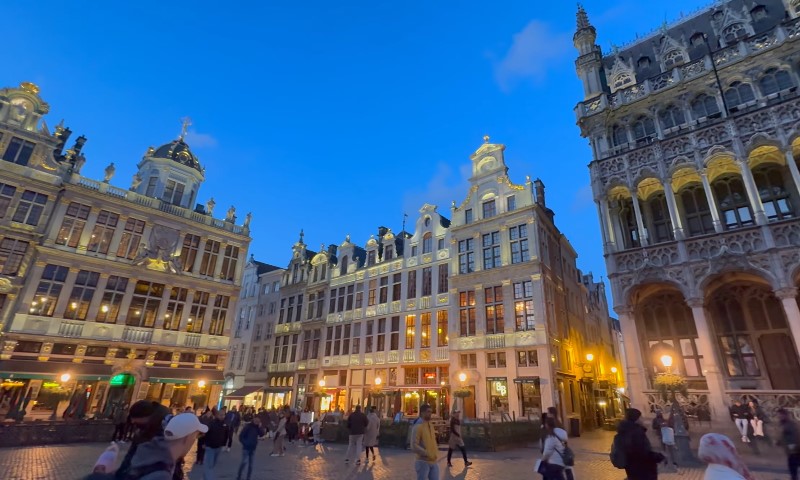
The historic centre is the most convenient neighbourhood for tourists visiting Brussels for the first time. Most famous attractions are within walking distance, and there are plenty of restaurants, cafés and hotels.
Travellers who want to stay close to the action can explore La Bourse Hotel’s rooms in the Îlot Sacré quarter, just a short walk from Grand-Place and surrounded by some of Brussels’ most recognisable historic streets.
At its centre stands the magnificent Grand-Place, a UNESCO World Heritage Site since 1998. The square’s elaborate guildhalls largely date from the late 17th century, following the devastating French bombardment of 1695, as documented in UNESCO’s heritage listing.
Other highlights include Manneken Pis, the Royal Saint-Hubert Galleries and the Belgian Beer World experience.
The neighbourhood is particularly atmospheric after sunset, when the buildings around Grand-Place are illuminated.
However, convenience comes with a few disadvantages. Streets around the busiest attractions attract large crowds, accommodation in prime locations can be expensive, and some central streets remain noisy late into the evening.
Best for: First-time visitors, short city breaks and travellers who want to explore Brussels primarily on foot.
2. Sainte-Catherine and Dansaert: Best for Food and Nightlife
A short walk northwest of Grand-Place brings you into one of Brussels’ most enjoyable areas for dining and evening entertainment.
Sainte-Catherine has a long connection with the city’s former harbour and fish market. Its maritime history survives in the neighbourhood’s seafood restaurants, particularly around Place Sainte-Catherine and the old Fish Market area.
Nearby Dansaert has developed a reputation for fashion, independent design shops and contemporary restaurants. The official neighbourhood guide also highlights Rue de Flandre, which Time Out ranked among the world’s coolest streets in 2025.
The neighbourhood feels particularly inviting in the evening. Restaurants fill up, people gather around outdoor tables, and bars attract a mixture of residents and international visitors.
Staying here offers an appealing balance of central sightseeing and local dining options. Travellers sensitive to noise should choose accommodation away from the busiest squares.
Best for: Couples, food lovers, younger travellers and visitors interested in Brussels’ contemporary culture.
3. Sablon: Best for Couples and Elegant City Breaks
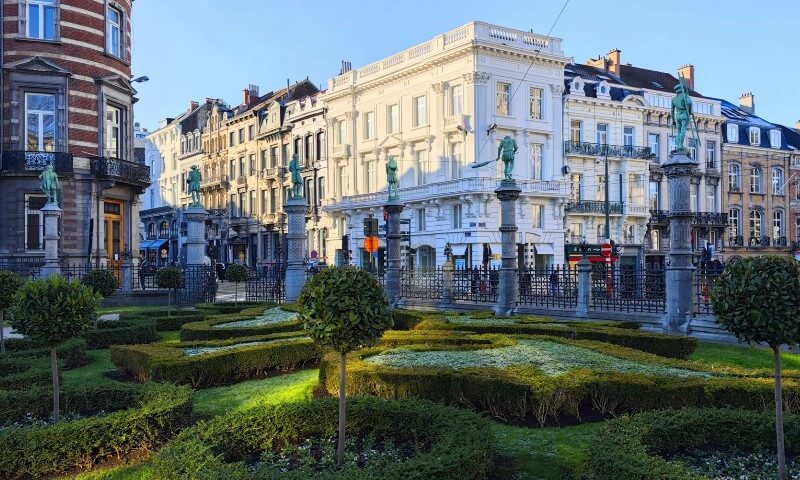
Sablon offers a quieter, more refined atmosphere while remaining close to the historic centre. Grand-Place is within comfortable walking distance, and the neighbourhood is particularly appealing for couples seeking a romantic weekend.
The beautiful Place du Grand Sablon is surrounded by antique dealers, art galleries and some of Belgium’s most celebrated chocolate shops.
Pierre Marcolini and Wittamer are among the famous names found here, while the nearby Church of Our Lady of Sablon provides a magnificent example of 15th-century Gothic architecture.
According to Visit Brussels’ Sablon guide, the neighbourhood’s association with chocolate, antiques and historic architecture remains central to its identity.
Sablon is particularly enjoyable on weekend mornings, when visitors can wander between antique shops before settling down at a café.
Accommodation tends towards the boutique and upscale end, making the area especially attractive for romantic trips.
4. Marolles: Best for Vintage Shopping and Local Culture
View this post on Instagram
A few streets downhill from Sablon, the Marolles presents a completely different side of Brussels.
Its identity comes from working-class traditions, second-hand shops, street art and independent cafés. Rue Haute and Rue Blaes are especially rewarding for travellers who enjoy browsing unusual stores.
The neighbourhood’s most famous attraction is the flea market at Place du Jeu de Balle.
The market moved here in 1873 and continues to operate daily, according to the official flea market guide. Old photographs, furniture, clothing and unexpected collectibles fill the stalls.
Arrive early if you’re searching for something particular. Afterwards, grab a coffee at one of the traditional cafés surrounding the square.
For accommodation, Marolles suits independent travellers who appreciate lively streets and an informal atmosphere. Its location also makes it convenient for exploring Sablon and the nearby Palace of Justice.
5. Ixelles and Flagey: Best for Experiencing Local Life
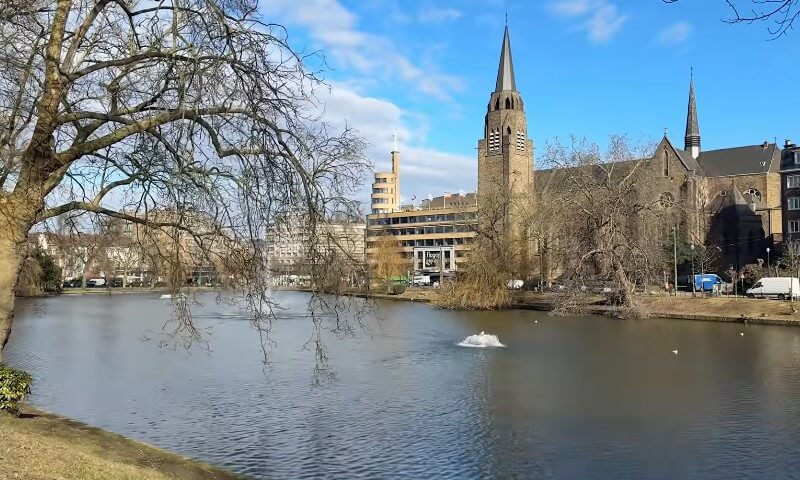
Ixelles is a large municipality with several distinct neighbourhoods. The Flagey area is particularly appealing for visitors interested in Brussels beyond its famous tourist attractions.
Place Flagey is a lively gathering point surrounded by restaurants, cafés and cultural venues.
Its most distinctive building is the former national radio broadcasting headquarters, designed by architect Joseph Diongre in the 1930s. The Art Deco landmark now hosts concerts and cultural events.
Nearby, the Ixelles Ponds provide a pleasant setting for walking among impressive townhouses. The Flagey neighbourhood guide recommends the area for its architecture, cultural attractions and nightlife.
Flagey is an excellent choice for longer stays, especially when you want to discover local restaurants and explore residential streets.
The main compromise is distance. Reaching Grand-Place generally requires a longer walk or public transport.
6. Saint-Gilles: Best for Art Nouveau and Creative Atmosphere
Architecture enthusiasts will find plenty to admire in Saint-Gilles.
The neighbourhood contains remarkable Art Nouveau buildings, independent galleries and an active café culture. Some streets feel surprisingly residential, despite their proximity to central Brussels.
Victor Horta’s influence is especially noticeable in the surrounding architectural landscape. Maison Hannon, designed by Jules Brunfaut, is another major attraction.
The neighbourhood’s social centre is the Parvis de Saint-Gilles, where markets, cafés and restaurants attract local residents throughout the week.
The Saint-Gilles visitor guide also recommends its distinctive town hall, galleries and green spaces.
Saint-Gilles is worth considering for travellers who enjoy exploring independently and want accommodation away from the busiest tourist streets.
Choose a hotel or apartment near a convenient tram or metro connection to make sightseeing easier.
7. Châtelain and Louise: Best for Shopping and Stylish Accommodation
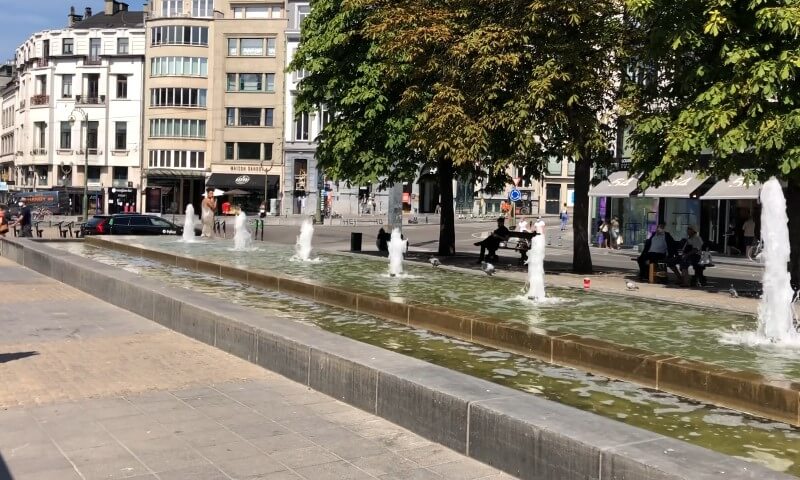
Two neighbouring areas deserve attention from visitors who appreciate attractive streets and independent shops.
Châtelain
Around Place du Châtelain, stylish cafés, restaurants and neighbourhood boutiques create an attractive setting for a relaxed stay.
The nearby Horta Museum and several beautiful Art Nouveau façades reward architectural exploration. Tenbosch Park provides a welcome green space.
Châtelain feels residential and fashionable, making it suitable for couples or visitors spending several days in Brussels.
Louise
Avenue Louise and the surrounding streets offer some of Brussels’ most prestigious shopping addresses.
International luxury brands appear alongside Belgian designers, particularly around Boulevard de Waterloo and Place Stéphanie.
The Brussels shopping district guide distinguishes Louise’s luxury shopping from Châtelain’s smaller boutiques and concept stores.
Louise is a practical choice for travellers looking for upscale hotels and convenient tram connections to other parts of Brussels.
8. European Quarter: Best for Museums and Political History
View this post on Instagram
Brussels’ European Quarter is particularly interesting for visitors fascinated by international institutions and contemporary European history.
The district is home to the European Parliament, the Parlamentarium visitor centre and the House of European History.
Its surroundings include Leopold Park, an attractive green space within walking distance of several major institutions.
The European Parliament’s official Parlamentarium visitor information confirms that the interactive exhibition is free to enter and available in 24 languages. Advance booking is recommended.
Accommodation around Place du Luxembourg and Schuman is particularly convenient for business travellers and visitors attending European institutions.
The district has a different rhythm from the historic centre, with some office-heavy streets becoming considerably quieter outside working hours.
How to Choose the Right Neighbourhood in Brussels
For a short visit, location matters more than having the largest hotel room or the most impressive facilities. Staying somewhere central reduces time spent travelling between attractions.
A few practical considerations make choosing easier:
- For a weekend: Stay around Grand-Place, Sainte-Catherine or Sablon.
- For a romantic trip: Consider Sablon or Châtelain.
- For food and nightlife: Look around Sainte-Catherine, Dansaert or Flagey.
- For architecture and local culture: Choose Saint-Gilles or Ixelles.
- For museums and European institutions: Consider the European Quarter or the nearby Royal Quarter.
Brussels’ public transport network makes staying outside the historic centre practical. STIB-MIVB operates the city’s metro, trams and buses, with contactless bank card payments available.
Under the 2026 contactless fare system, a standard journey costs €2.40, with a daily cap of €8.50 when using the same payment method.
Check the distance from your accommodation to the nearest transport stop before booking, particularly if you’re travelling with luggage or planning late evenings.
Final Thoughts
Brussels rewards visitors who explore beyond Grand-Place, even when staying in the historic centre.
The best neighbourhood for your trip depends on your interests and how you prefer to spend your time. First-time visitors will appreciate the convenience of central accommodation, while returning travellers can discover a different Brussels in Ixelles, Saint-Gilles or Châtelain.
Wherever you stay, leave time to wander into neighbouring districts. Some of Brussels’ most enjoyable discoveries happen on ordinary streets between the famous attractions.

Hello, my name is Harper Barton. The only thing I love more than travelling is writing about it. Sounds strange doesn’t it? But yeah, I adore writing and sharing my experiences about what I have experienced during my travels. Since I am a person who loves being a part of the community, I often write about local festivals with the goal of popularizing outside just small communities they come from.